
Understanding the Effects of Weather on Tires
As the seasons change, so do your vehicle’s needs. The weather affects many parts of your car, especially the tires. Different temperatures and conditions require different tire types to ensure safety and performance. Understanding these seasonal impacts can help you choose the right tires at the right time.
Why Temperature Matters for Your Tires
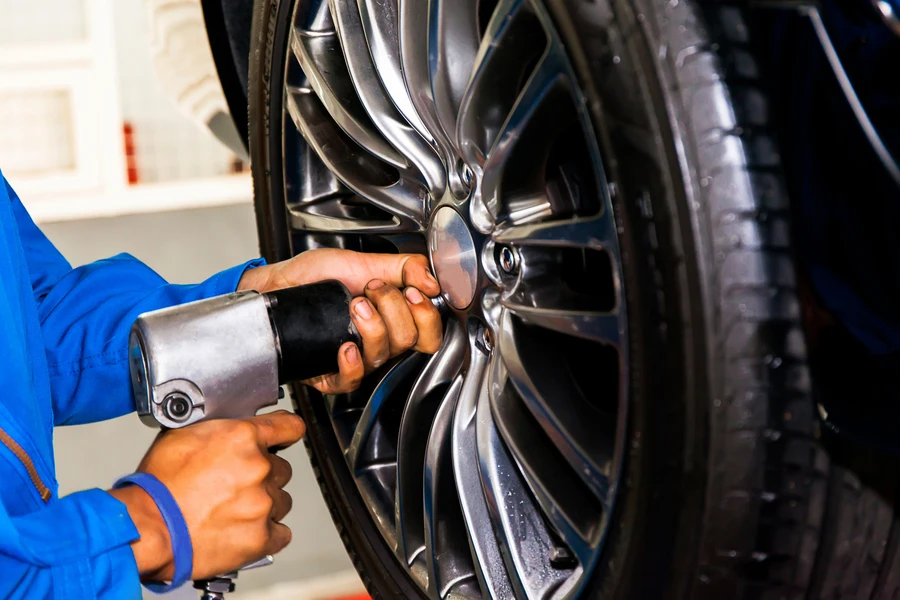
Tires react to temperature changes. In cold weather, they can become hard and lose grip. This lack of traction can be dangerous on icy roads. During warmer months, tires can soften and wear out faster. Proper tire installation ensures that your tires are suited to these varying conditions, providing better control and safety on the road.
Choosing the Right Tires for Each Season
Picking the correct tire for each season is crucial. Winter tires are designed for snowy and icy conditions. They have deeper treads and are made from rubber that remains flexible in cold temperatures. On the other hand, summer tires are optimized for hot, dry roads. When considering tire installation, it’s important to match your tires with the expected weather conditions.

Benefits of Seasonal Tire Changes
Switching your tires according to the season offers several benefits. It increases safety by providing better traction and handling. It also prolongs the life of your tires since you are using them in their optimal conditions. Additionally, seasonal tire changes can improve fuel efficiency as they reduce unnecessary drag caused by improper tire use.
Challenges of Not Adapting to Seasonal Needs
If you don’t change your tires with the seasons, you may face several problems. Using summer tires in winter can lead to reduced control and longer stopping distances. Conversely, winter tires in summer can cause excessive wear and decreased performance. These mismatches can lead to costly repairs and increased risks on the road.
How to Prepare Your Car for Seasonal Transitions
Preparing your car for seasonal changes involves more than just swapping tires. Here’s a quick checklist:
- Check tire pressure regularly, as it fluctuates with temperature changes.
- Inspect tread depth to ensure sufficient grip.
- Balance and align wheels when installing new tires.
- Store off-season tires properly to prevent damage.
Best Practices for Maintaining Tire Health Year-Round
To keep your tires in top condition all year, follow these tips:
- Regularly rotate your tires to promote even wear.
- Avoid overloading your vehicle; it puts extra strain on tires.
- Maintain proper inflation levels according to manufacturer guidelines.
- Get periodic professional inspections to catch issues early.
The Economic Benefits of Regular Tire Maintenance
Taking care of your tires saves money in the long run. Proper maintenance reduces the need for frequent replacements, saving you money on new tires. Well-maintained tires also improve gas mileage, cutting down fuel costs. Moreover, regular inspections can prevent major repair expenses caused by neglected tire issues.
Ensure Safety With Professional Tire Services
If you’re uncertain about what type of tires your vehicle needs or how to install them correctly, consult professionals. Expert services provide precise tire installation that matches seasonal requirements, ensuring optimal performance and safety on the road.
Your Partner in Safe Driving Throughout the Year
For reliable tire services, contact us today at (469) 383-6043. Based in Midlothian, TX, we offer expert advice and quality service to meet all your tire needs. Trust Valor Tire for exceptional support and guidance tailored to each season’s challenges.